Trauma & PTSD Therapy
Traumatic experiences can leave a lasting emotional impact long after the event has passed. At Wintermind, we connect you with qualified therapists who can help you process trauma safely, reduce distressing symptoms, and begin moving forward at your own pace.
What is Trauma & PTSD?
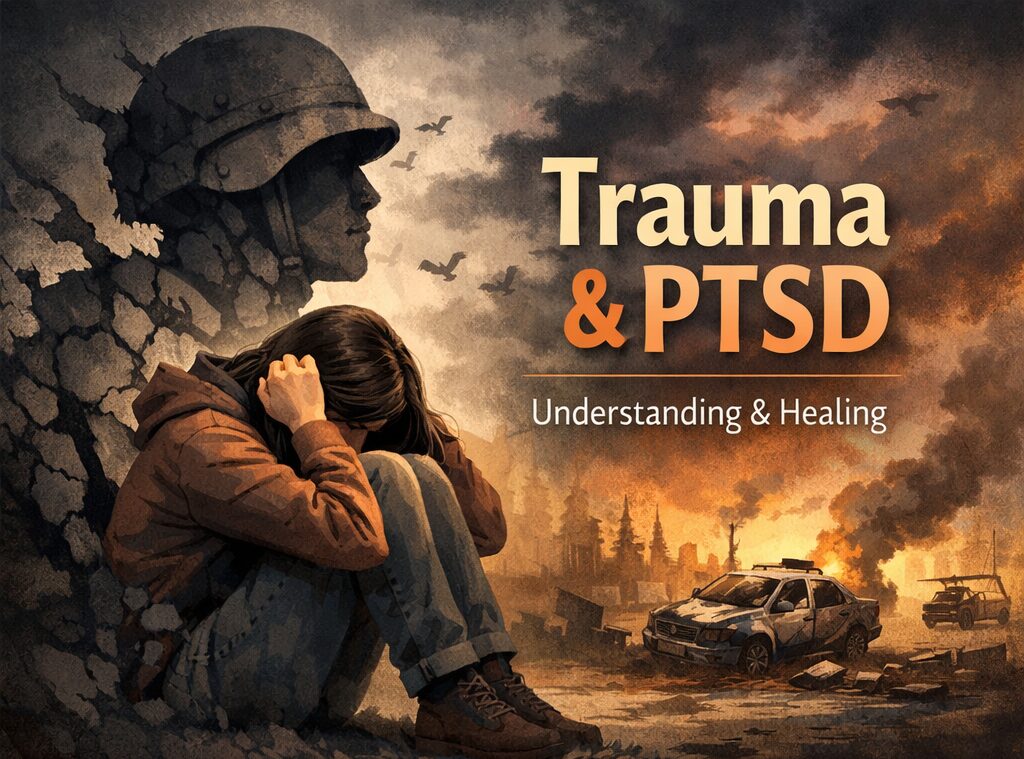
Trauma is the emotional and psychological impact of deeply distressing or overwhelming experiences. These may include abuse, violence, accidents, loss, medical events, childhood neglect, or any situation that leaves you feeling unsafe, powerless, or intensely distressed.
Post-Traumatic Stress Disorder (PTSD) can develop when the effects of trauma continue long after the event itself. It may involve flashbacks, nightmares, emotional numbness, hypervigilance, or feeling constantly on edge, as though your mind and body are still trying to protect you from danger.
Not everyone who experiences trauma develops PTSD, but many people still struggle with the ongoing effects of traumatic experiences. Trauma can affect relationships, trust, sleep, concentration, mood, and your sense of safety in the world.
With the right support, healing is possible. Therapy can help you process painful experiences in a safe and steady way, without forcing you to relive them all at once.
Healing Takes Time
Trauma recovery is not about rushing or “getting over it.” It is about creating safety, understanding your reactions, and rebuilding trust in yourself and your life.
Signs of Trauma & PTSD
Trauma can affect both the mind and body. You might be experiencing:
Emotional & Mental Symptoms
- Flashbacks or intrusive memories
- Nightmares or distressing dreams
- Feeling anxious, fearful, or constantly on edge
- Emotional numbness or detachment
- Difficulty trusting others
- Guilt, shame, or self-blame
Physical & Behavioural Symptoms
- Poor sleep or insomnia
- Hypervigilance or being easily startled
- Avoiding reminders of the event
- Tension, headaches, or body discomfort
- Difficulty concentrating
- Feeling unsafe even in calm situations
How Therapy Supports Recovery
Trauma therapy is not about forcing you to talk before you are ready. It is about creating a safe, supportive environment where you can begin to understand your reactions, reduce distress, and rebuild a sense of control and stability.
Build Safety
Develop grounding tools that help you feel calmer and more secure.
Process Trauma Gently
Explore painful experiences at a pace that feels manageable and safe.
Reduce Triggers
Understand what activates distress and build ways to respond differently.
Reconnect with Life
Strengthen trust, confidence, and your ability to feel present again.

Types of Therapy for Trauma & PTSD
Trauma-Focused Therapy
A supportive approach that helps you process traumatic experiences safely while reducing their impact on daily life.
Talking Therapy
Offers a confidential space to explore emotions, memories, and patterns connected to trauma with the support of a trained professional.
Integrative Therapy
A flexible approach that combines methods based on your experiences, symptoms, and individual recovery needs.
When Should You Reach Out?
It may be time to seek support if trauma is:
Ready to begin healing?
You do not have to carry trauma on your own. Speak to a qualified therapist and start building safety, stability, and hope at your own pace.
Explore therapists for trauma & PTSD support
Browse selected therapist profiles and take the next step with greater confidence. You can also explore the full directory if you would like more options.









Frequently Asked Questions
Can therapy really help with trauma?
Yes. Trauma therapy can help reduce distress, improve emotional regulation, and support long-term healing in a safe and structured way.
Do I have to talk about everything straight away?
No. A good therapist will work at your pace. The goal is to create safety first, not pressure you into sharing before you are ready.
Are sessions online?
Yes. Wintermind offers online therapy, allowing you to access support from a space where you feel comfortable and secure.